DPI, EPI, Metric, Imperial and Why it Matters
This week I got an interesting question from Jeanette. Jeanette lives in South Africa, and uses the metric system for her weaving. She is wondering how we can have half a dent (7.5 for example).
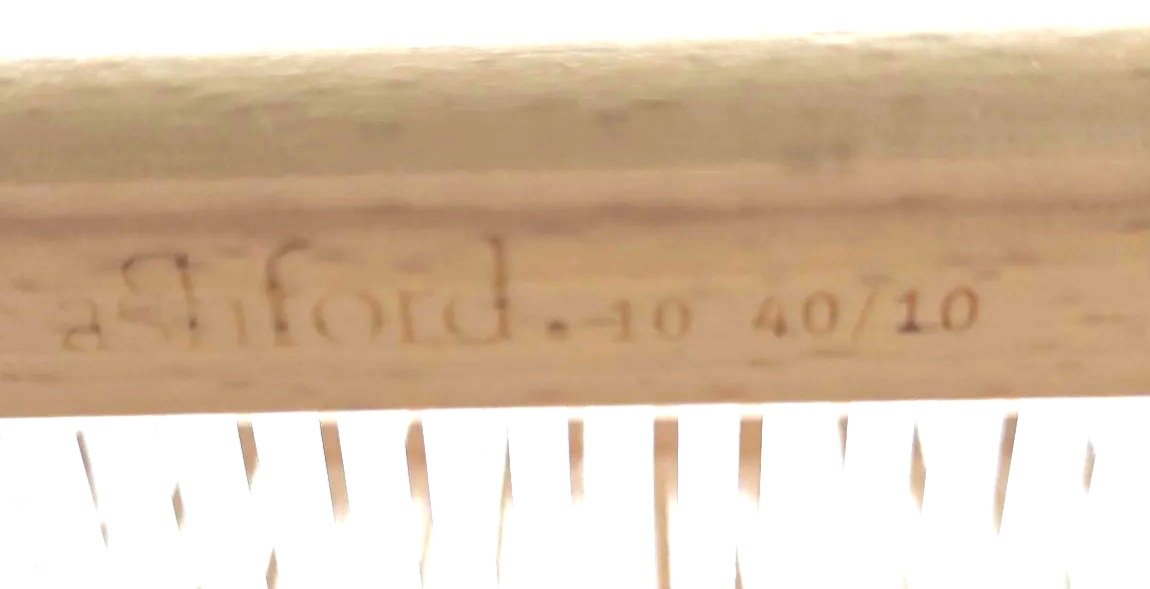
Canada is ostensibly a metric country, but we still like inches (and pounds)! So this week I spent a little bit of time learning about what the numbers on the Ashford reeds mean. Because honestly, I’ve never thought about them before…I just look at the 10, or 7.5 or 12.5 and ignore all the other numbers! I’ve checked online and Schacht sticks with Imperial, and it looks like Kromski does as well. So, I’ll stick to Ashford.
If you look at a 10 dent reed, it has the numbers 10 and 40/10. 40/10 is the metric. It tells us there are 40 dents (20 slots and 20 holes) over 10 cm. We could also take the 40, divide it by 10 and see that we have 4 dents per centimeter.
10 cm = 4”. So, if we take the 40 and divide it by 4, we get 10. That gives us 10 dent (5 slots, 5 holes) across 1”.
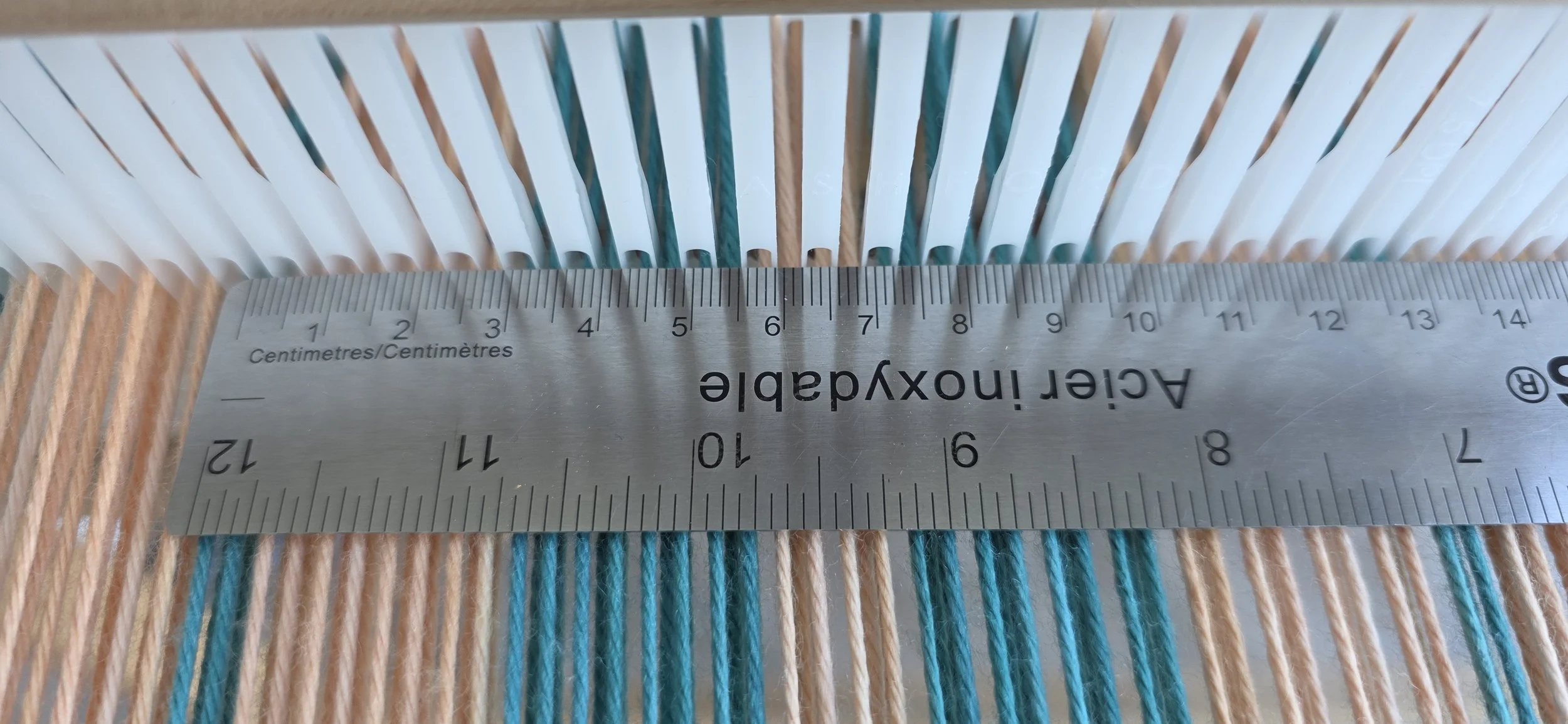
Now let’s look at a 7.5. It reads 30/10. That tells us there are 30 dents across 10cm. If we take the 30 and divide it by 4 (4” in 10cm) we get 7.5. A 10/30 reed has 7.5 dents per inch.
So why does this matter? The numbers on the reed tell us the DPI (Dent Per Inch) A single dent is a slot or a hole. In rigid heddle weaving, our DPI is *usually* the same as the EPI (Ends Per Inch). But it doesn’t have to be!
When we use a 10 dent reed (10 DPI) for tea towels, we usually double the warp - we warp two threads in every slot and hole. Since I treat the doubled threads as a single end, I still consider this 10 ends per inch. Technically, however, this raises our EPI to 20.
Floor looms use reeds with slots only. And with a single reed, many different EPIs can be achieved by skipping slots, or adding multiple ends to a single slot. There is a standard “Reed Substitution” chart that weavers use to adjust the EPI.
Rigid heddle weavers can do this too - sort of.
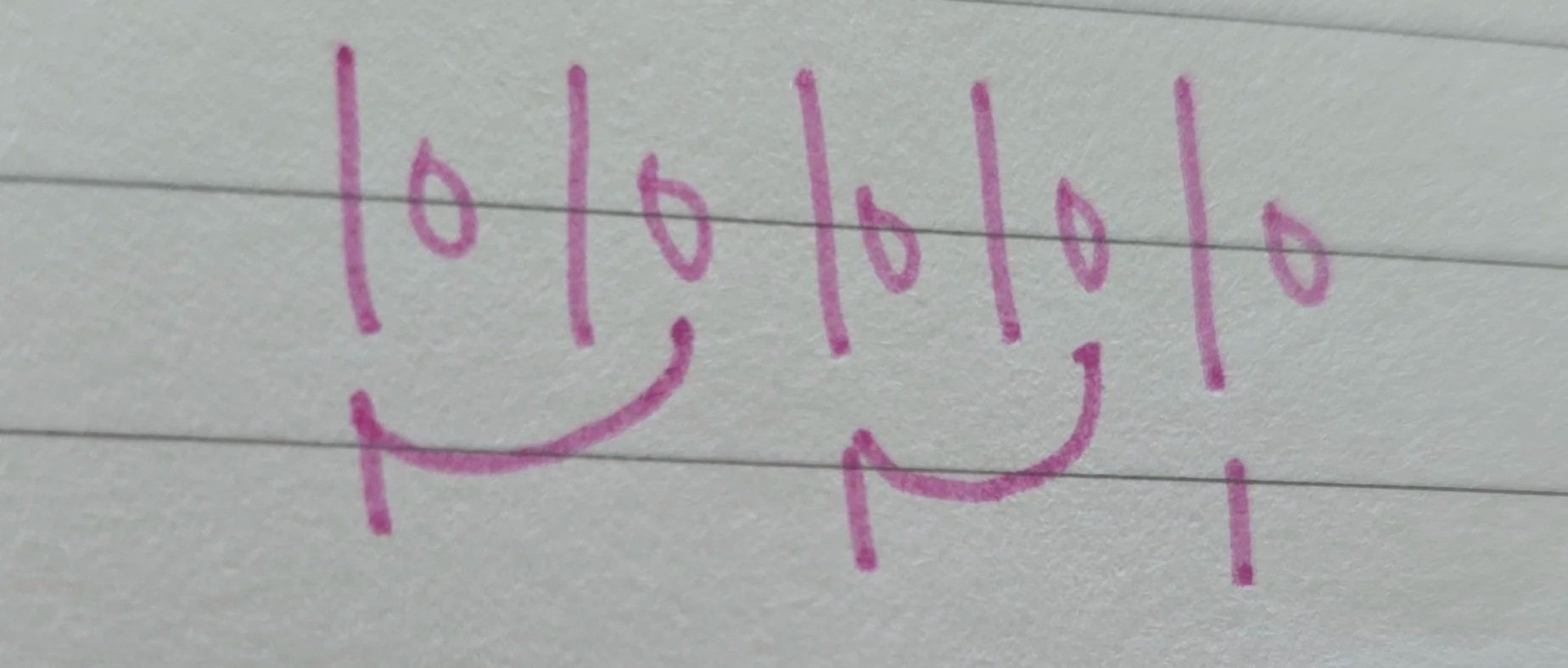
We can take a 10 DPI reed and thread at 5 EPI by warping every other slot, then threading every other hole. In practise, this doesn’t always work well because a fibre that needs a sett of 5 EPI often will not fit comfortably through the holes of a 10 dent reed. Additionally, the ends will not be evenly spaced - although, depending on the fibres, this may even out during wet finishing.
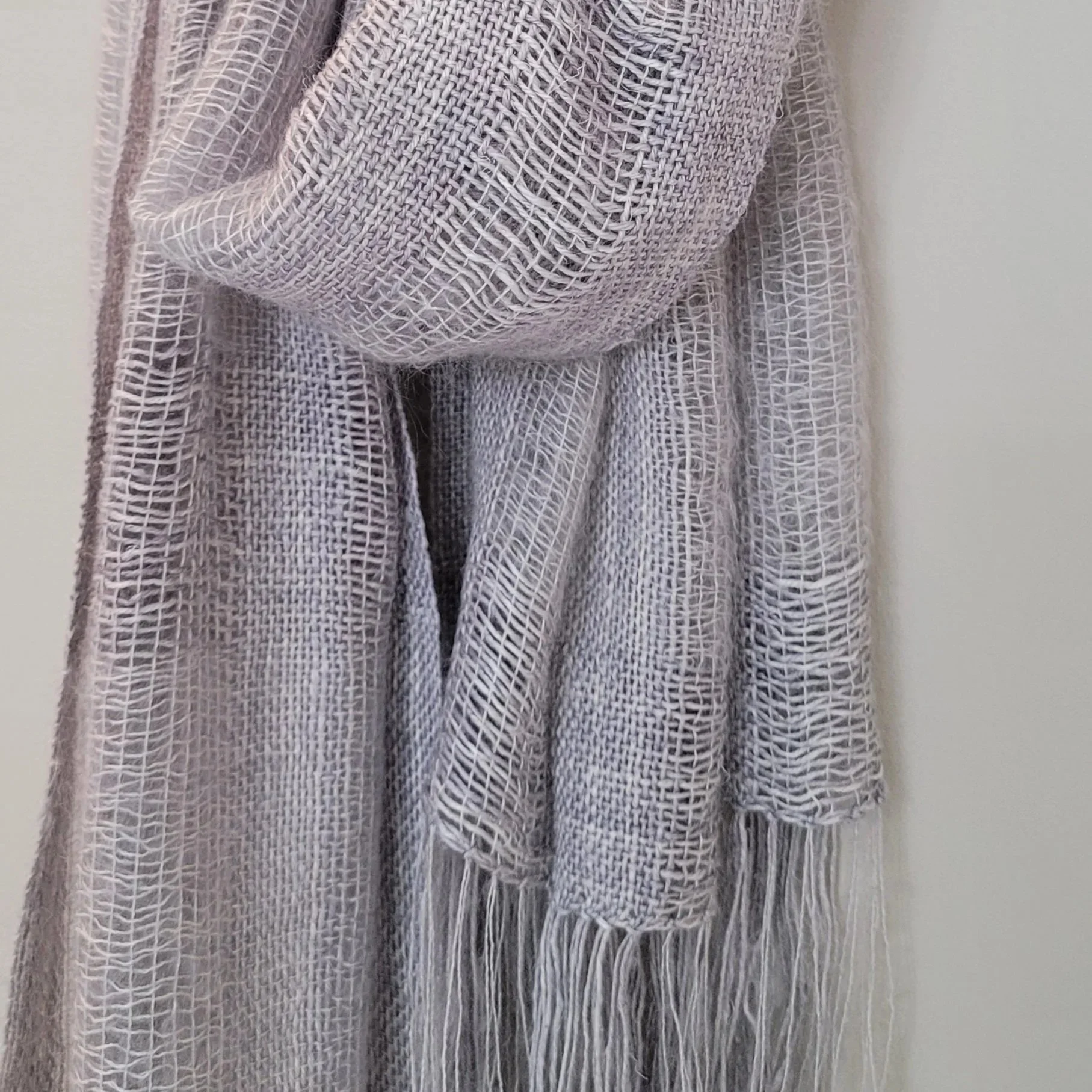
However, this technique might work really well when combining a thicker warp with a lighter but sticky warp. For example, in my Lighter than Air Wrap, we use a 12.5 dent reed and combine a fingering weight warp with a mohair. The 12.5 is perfect for the fingering weight, but weaving mohair at 12.5 EPI would be a challenge. By skipping slots and holes, we can warp it at 6 EPI and it’s perfect!
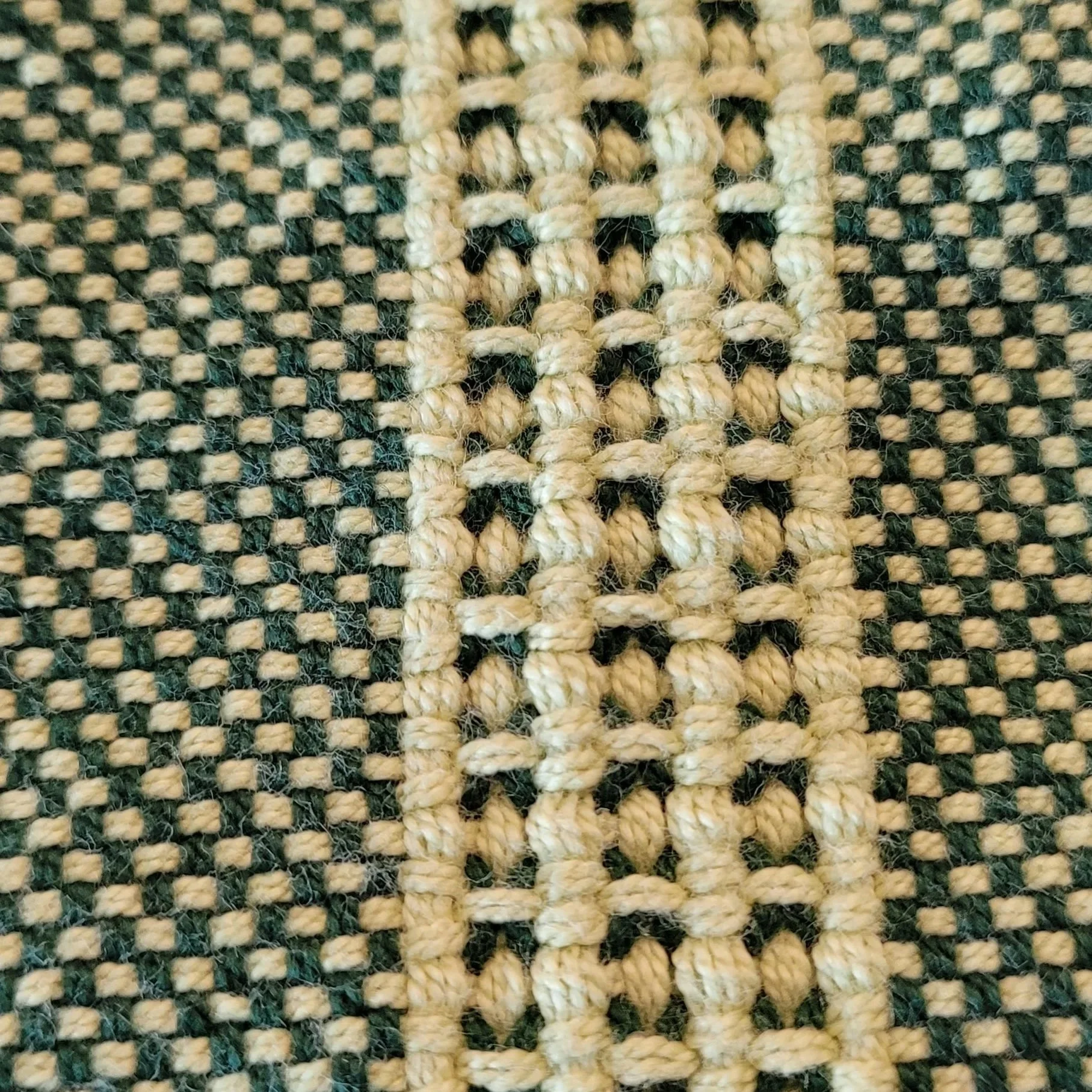
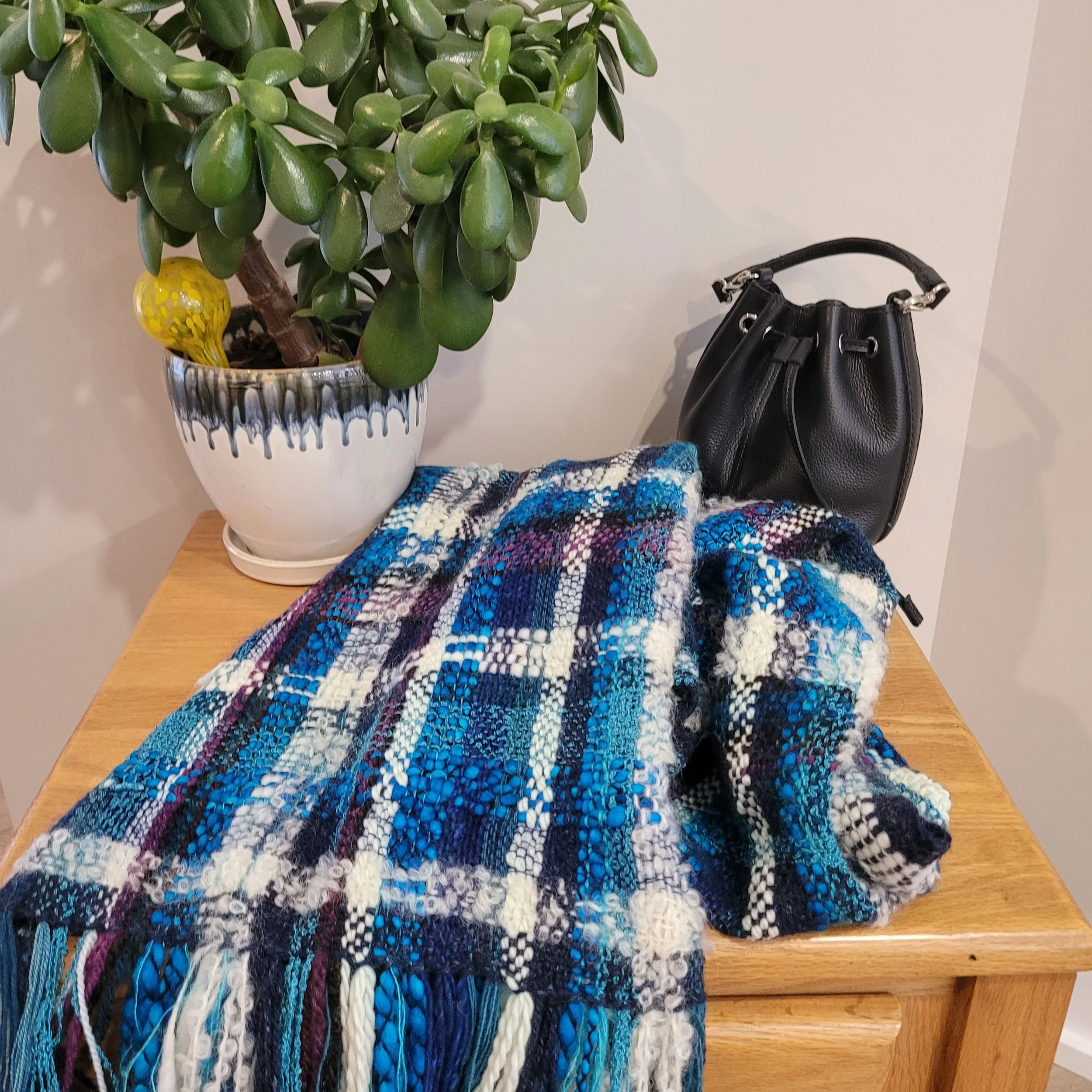
Or we can add texture by threading the same slot or hole multiple times like in Martin’s Towels. Finally, we can take all the weights and average out the EPI and pick the most suitable reed and weave up a Wabi Sabi Scarf!